Cheerful Book: A Designer’s Review for Real Projects
As an embroidery designer who has spent years digitizing and testing thousands of files, I approach every new machine embroidery design with a critical eye. It is not enough for a motif to look cute on a screen; it must hold up under the needle, survive the wash cycle, and appeal to the end customer. Recently, I evaluated Cheerful Book, a smiling machine embroidery design that promises to bring a radiant smile and charming details to various projects. Here is my practical assessment of how this design performs in real-world scenarios, from small shop merchandise to personalized gifts.
First Impressions and Visual Personality
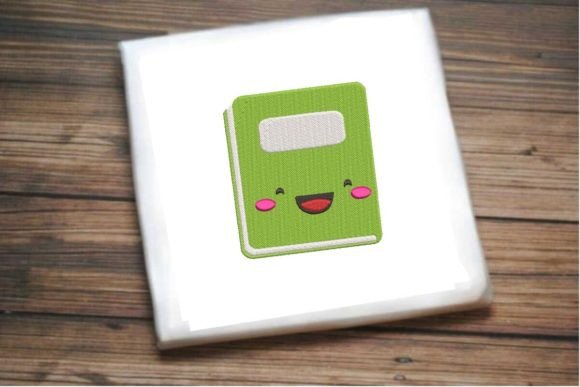
The first thing that strikes you about Cheerful Book is its immediate warmth. In the Back To School category, designs can often feel rigid or overly academic. This piece, however, leans into personality. The radiant smile transforms a static object into a character, creating a mood that is inviting and playful. For a designer, this is crucial because emotional connection drives sales. When a customer sees a tote bag or a sweatshirt with this motif, they do not just see a book; they see joy.
The layout appears balanced, with the smile serving as the focal point. The charm lies in the details, which seem crafted with precision. However, visual appeal on a monitor does not always translate to fabric. I looked closely at the transition between the book cover and the facial features. The design relies on clear lines to define the expression, which suggests that stitch clarity will be paramount. If the stitch density is too high, the fabric may pucker; if it is too low, the smile might lack definition. My initial judgment is that this design is best suited for projects where the central motif can breathe, rather than being crowded by other elements.
Real-World Application: From Totes to Sweatshirts
To truly test the viability of Cheerful Book, I imagined it in several common production scenarios. The most natural fit is undoubtedly a canvas tote bag design. The sturdy texture of canvas provides an excellent foundation for the likely fill stitch areas of the book cover. Here, the design would act as a standalone statement piece. For an Etsy seller or craft business owner, this is a high-value item. Parents and teachers love themed accessories, and a cheerful, smiling book appeals directly to the education and literacy market without being sterile.
I also considered this for sweatshirt embroidery. Placed on the left chest or centered on a youth-sized hoodie, the design adds a whimsical touch to everyday wear. The key here is scale. On a garment, the design must be large enough to read clearly but small enough to remain comfortable. The "charming details" mentioned in the description need to be substantial enough to stitch out cleanly on fleece or cotton blends. If the details are too fine, they may get lost in the fabric texture or cause thread breaks during production.
Another strong candidate is baby embroidery items, such as bibs or onesies. The friendly face of the book aligns perfectly with nursery aesthetics. However, this requires careful handling. Babies move, and their clothes undergo frequent washing. The design must be durable. I would recommend using a high-quality cut-away stabilizer to ensure the stitches do not pull or distort over time. For a personalized gift, adding a child’s name beneath the smiling book could enhance the value, provided the font choice complements the playful nature of the main motif.
Technical Considerations and Stitching Performance
When evaluating any embroidery file, technical execution is non-negotiable. While the product description highlights precision, I advise users to verify the specific stitch types used. A mix of satin stitch for outlines and fill stitch for the body of the book is standard, but the transition points are where errors often occur. I recommend running a test stitch-out on scrap fabric that matches your final project material. This allows you to check for thread breaks, nesting, or registration issues.
Thread colors play a significant role in the success of Cheerful Book. Because the design features a face, contrast is essential. On dark fabrics, you may need to adjust the color palette to ensure the smile remains visible. A white or light yellow thread for the teeth and eyes against a dark blue book cover would create strong visual impact. Conversely, on light fabrics, darker threads will define the features better. Always test your design in black and white mockups first to ensure the shape holds up without relying solely on color for definition.
Hoop size is another critical factor. Before purchasing or downloading, confirm that the design fits within your machine’s maximum hoop size. If you are planning to use this on curved surfaces like caps, ensure the design is not too wide, as this can cause distortion during stitching. For embroidered patch creation, the design’s borders must be clean. If the edges are jagged or the density is uneven, the patch will look unprofessional when cut. A clean merrowed edge or satin border is ideal for commercial products.
Navigating Challenges: Fabric and Detail
While Cheerful Book is versatile, it is not without limitations. Delicate or thin fabrics, such as silk or lightweight rayon, may struggle with the weight of the stitches. In these cases, using a tear-away stabilizer with a topping can help prevent sinking. For stretchy fabrics like jersey knits, a cut-away stabilizer is mandatory to maintain the integrity of the smile’s shape. If the design includes tiny lettering or intricate corners, inspect these areas closely after stitching. Small details can easily become blobs of thread if the digitizing is not optimized for the specific thread weight you are using.
For holiday embroidery or seasonal gifts, this design can be adapted with thematic colors. Imagine the book in red and green for Christmas, or pastel tones for Easter. However, maintain the core identity of the smiling face. Altering the expression too much can detract from the original charm. For commercial embroidery projects, consistency is key. Ensure that every unit produced looks identical by keeping tension settings and thread brands consistent across production runs.
Business Value and Brand Consistency
For small shop product lines, Cheerful Book offers strong branding potential. It conveys a message of love for reading and learning, which resonates with a specific demographic. Using this design in printable mockup previews can help customers visualize the final product, increasing conversion rates. The design’s friendly nature builds trust; it feels handmade and thoughtful, rather than mass-produced. This perception of quality can justify a higher price point for your finished product.
However, always verify licensing terms. If you plan to sell items featuring this design, ensure you have the appropriate commercial license. Some digital embroidery file providers restrict the number of units you can sell or prohibit the resale of the file itself. Respecting intellectual property protects your business reputation and supports the designers who create these assets. For design assets used in marketing materials, ensure the resolution is high enough for clear presentation on social media and websites.
Final Verdict for Makers and Designers
In conclusion, Cheerful Book is a promising addition to any embroidery project library, particularly for those targeting the education, parenting, or literary niches. Its strength lies in its emotional appeal and versatile application across various garments and home goods. By paying attention to stabilizer choice, thread contrast, and fabric compatibility, you can maximize the quality of your output. Whether you are creating a custom apparel line, a set of personalized gifts, or boutique merchandise, this design offers a solid foundation for creative expression. Remember to test, adjust, and refine your process to ensure every stitch reflects the professionalism your customers expect.