Oh Whale Embroidery Font: A Designer’s Review
As an embroidery designer who spends more time staring at stitch maps than I do sleeping, I have learned that not every cute font translates well to thread. We have all been there: you see a charming digital preview, buy the digital embroidery file, and then watch in horror as your machine turns delicate curves into a bird’s nest of tangled bobbin thread. That is why I approach new releases with a healthy dose of skepticism. However, after spending a weekend testing the Oh Whale Embroidery Font, I found myself genuinely impressed by its balance of whimsy and structural integrity.
This isn’t just another novelty font. It is a thoughtfully crafted asset that brings a specific nautical flair to projects without sacrificing readability. For those of us running a craft business or selling on Etsy, finding a typeface that stands out in a saturated market is crucial. This font offers a playful personality that feels fresh, moving away from the overly rigid serif styles or the generic script fonts that dominate current trends.
First Impressions and Visual Personality
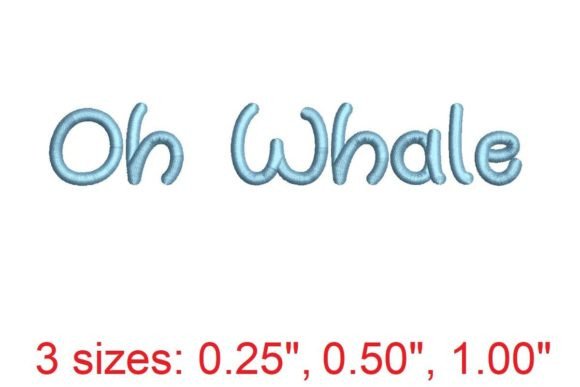
The first thing that strikes you about the Oh Whale Embroidery Font is its mood. It is undeniably cheerful. The letters have a rounded, buoyant quality that mimics the movement of water, fitting perfectly with its marine theme. From a design perspective, the spacing between characters is generous, which is a relief. Tight kerning is the enemy of clean embroidery, especially when working with textured fabrics.
I initially pulled this design up for a Back To School collection I was brainstorming. While it isn’t a traditional academic font, its friendly demeanor makes it ideal for younger demographics. Imagine a personalized lunchbox label or a name tag for a kindergarten cubby. The visual weight of the letters is substantial enough to be read from a distance, yet light enough to feel approachable. It avoids the heaviness that often plagues display fonts, making it versatile for both bold statements and subtle accents.
Real-World Application: The Tote Bag Test
To truly evaluate a font, you have to stitch it. I decided to test the Oh Whale Embroidery Font on a canvas tote bag, a staple item for any Etsy seller. Canvas is unforgiving; it shows every skipped stitch and uneven tension. I chose a medium-weight cotton canvas and paired it with a standard cut-away stabilizer to ensure the fabric didn’t pucker under the stitch density.
The result was delightful. The font’s inherent curvature worked beautifully with the natural weave of the canvas. I used a classic navy blue thread for the main lettering, which provided excellent contrast against the natural beige fabric. The satin stitch borders were smooth, and the internal fill stitch patterns were dense enough to cover the fabric texture without becoming too stiff. This is a critical point for any handmade product: if the embroidery feels like a plastic patch glued to the fabric, customers will be disappointed. This font retained the softness of the textile while adding significant visual interest.
For a personalized gift, this level of finish matters. When a customer receives a tote bag with their name stitched in a font that looks professional and intentional, it builds trust. It signals that the maker cares about details. In this context, the Oh Whale Embroidery Font elevates a simple utility item into a boutique-quality accessory.
Navigating Fabric and Hoop Constraints
While the font performed well on canvas, I needed to see how it handled more challenging materials. I moved on to a fleece sweatshirt, a popular choice for sweatshirt embroidery during cooler months. Fleece is tricky because the pile can swallow small details. Here, the robust nature of the font saved the day. The thicker strokes of the letters remained visible above the fleece fibers.
However, caution is advised when scaling down. If you are planning to use this on a baby embroidery project, such as a onesie or a small bib, you must check the minimum recommended size. Tiny details in the whale-themed embellishments might get lost or cause registration issues on stretchy knits. Always test on scrap fabric first. I also noticed that on dark fabrics, the contrast becomes even more vital. Using a lighter thread color helped the design pop, but I had to adjust my machine’s tension slightly to prevent the darker background fabric from peeking through the stitches.
Another consideration is the hoop size. Because this is a font, you will likely be stitching names or phrases. Ensure your hoop can accommodate the full length of the text without needing to re-hoop, which can lead to alignment errors. For longer phrases, consider breaking the text into two lines or using a larger hoop if your machine supports it.
Commercial Viability and Brand Consistency
For commercial embroidery professionals, consistency is key. You need designs that look good across various products, from embroidered patches to aprons. The Oh Whale Embroidery Font offers that versatility. Its nautical theme makes it a natural fit for summer collections, beachwear, and coastal-inspired home decor. Think about tea towels for a seaside rental property or pillow covers for a nursery with an ocean motif.
From a branding standpoint, using a distinctive font helps create a recognizable style. If your shop specializes in playful, family-oriented goods, this font aligns perfectly with that brand identity. It is not just about stitching a name; it is about creating a cohesive finished product that tells a story. When used in printable mockups for your online store, the font’s charm translates well digitally, helping to attract clicks and conversions.
Practical Designer Notes
Before you dive into production, keep these technical tips in mind:
- Check Stitch Density: Always review the stitch count and density map in your embroidery software. If the density seems too high for lightweight fabrics, consider using a lighter stabilizer or adjusting the pull compensation.
- Thread Color Contrast: This font relies on shape for readability. Ensure your thread color contrasts sufficiently with your fabric. Test combinations before committing to a final product.
- Stabilizer Selection: For stretchy fabrics like jersey or knit, use a cut-away stabilizer. For woven fabrics like cotton or linen, a tear-away may suffice, but test for puckering.
- Licensing Verification: Before selling items made with this machine embroidery design, confirm the license terms. Most designers allow commercial use for finished physical goods, but restrictions may apply to digital resale or large-scale manufacturing.
- Mockup Testing: Create black and white mockups to check for clarity. If the design loses its definition in grayscale, it may lack the necessary contrast for certain applications.
In conclusion, the Oh Whale Embroidery Font is a solid addition to any designer’s library. It balances aesthetic appeal with technical practicality, making it suitable for a wide range of embroidery projects. Whether you are creating holiday embroidery gifts or stocking your small shop product line, this font offers the reliability and charm needed to succeed in today’s competitive handmade market. Just remember to test, adjust, and stitch with confidence.