Review: Kenyan Coffee LT Embroidery Font for Sweatshirts
As an embroidery designer who has spent years digitizing and testing fonts for commercial apparel, I approach every new machine embroidery design with a critical eye. It is not just about whether the letters form words; it is about how those letters interact with fabric, thread, and the final garment. Recently, I had the opportunity to test the Kenyan Coffee LT Embroidery Font for a limited-edition sweatshirt drop for a boutique client. The goal was simple: create a line of premium, cozy apparel that feels sophisticated yet approachable. After putting this font through its paces on various fabrics and hoop sizes, I am ready to share my professional assessment of how this typeface performs in a real-world production environment.
First Impressions: Elegance Meets Compatibility
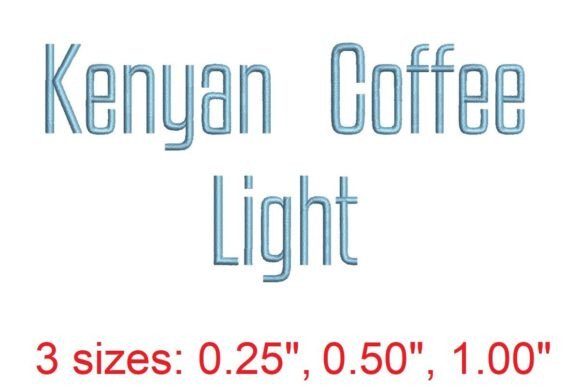
The moment I loaded the digital embroidery file into my software, the clean lines of the Kenyan Coffee LT stood out. The description promises a blend of elegance and compatibility, and visually, it delivers. This is not a bulky, blocky font that screams for attention; rather, it whispers sophistication. For a boutique brand looking to elevate its aesthetic, this subtlety is crucial. The font possesses a refined personality that lends itself well to minimalism without feeling sterile.
In terms of stitching personality, the design appears balanced. It avoids the excessive density that often plagues script or serif fonts, which can cause puckering on softer fabrics. Instead, it offers a structured openness that allows the texture of the garment to shine through. This is particularly important when working with high-quality fleece or French terry, where you want the embroidery to complement the fabric texture rather than overwhelm it.
Application on Sweatshirts and Hoodies
For this specific project, we were preparing a Back To School inspired collection, but with a mature, elevated twist. We tested the Kenyan Coffee LT Embroidery Font on several different garment types, and the results varied in delightful ways.
- Neutral Sweatshirts: On oatmeal and heather grey blanks, the font looked incredibly premium. The light, elegant strokes contrasted beautifully against the muted backgrounds, creating a look that felt expensive and curated.
- Dark Fabric: When stitched in cream or gold thread on charcoal or navy hoodies, the design popped with striking clarity. The compatibility mentioned in the product description holds true here; the font remains legible and stylish even when scaled down for chest placements.
- Pastel Colors: For a softer, more feminine appeal, we used pastel pink and baby blue hoodies. The font maintained its sophistication, avoiding the "cutesy" trap that some rounded fonts fall into. It felt decorative yet grounded.
- Oversized Hoodies: On larger garments, we experimented with back designs. The font scaled up well, retaining its integrity without becoming pixelated or jagged. It provided a bold statement that was still rooted in elegance.
Whether you are aiming for a rustic vibe or a modern, clean aesthetic, this font adapts. It is versatile enough for casual wear but refined enough for higher-priced boutique merchandise.
Technical Considerations for Production
For any Etsy seller or small shop owner, the technical execution is where profit margins are made or lost. Here are the practical concerns I evaluated during the testing phase.
Stitch Density and Fabric Thickness
One of the primary concerns with any new embroidery file is stitch density. If a font is too dense, it will stiffen the garment and potentially cause needle breaks on thick seams. The Kenyan Coffee LT Embroidery Font demonstrated a moderate density that worked well on standard sweatshirt weight fabric. However, always test on your specific blank. For heavier coats or layered hoodies, you may need to adjust your tension slightly.
Stabilizer Choice
Given the elegance of the font, stabilization is key to preventing distortion. I recommend using a medium-weight cut-away stabilizer for sweatshirts to ensure longevity. Since this is a commercial embroidery context, the finished product must withstand repeated washing. A proper stabilizer ensures that the letters do not warp over time, maintaining the professional look of your custom apparel.
Readability at Small Sizes
We tested the font on sleeve accents and small chest logos. At smaller sizes, the finer details of the font remained readable, which is a testament to its quality digitizing. However, if you are stitching on highly textured fabrics like waffle knit, ensure your thread color contrast is high enough to maintain legibility. Dark thread on dark fabric with low contrast can make elegant fonts disappear.
Hoop Placement and Size
Always check the recommended hoop size before purchasing. While the font is compatible with various hoops, ensuring you have the correct frame for your machine is essential for accurate placement. For centered chest designs, a 4x4 or 5x7 hoop is typically ideal, allowing for precise alignment on the garment's placket or center point.
Enhancing Brand Identity and Value
Beyond the technical aspects, the choice of font significantly impacts brand perception. Using the Kenyan Coffee LT Embroidery Font signals to customers that your handmade product is thoughtfully designed. It moves away from the generic, free-font aesthetic that saturates the market and towards a unique brand identity.
For lifestyle product photography, this font photographs exceptionally well. The clean lines catch the light nicely, creating subtle shadows that add depth to your printable mockup and actual photos. This visual recognition helps build buyer trust. When customers see consistent, high-quality typography across your design assets, they perceive higher value, which can justify a higher price point for your small shop product.
Final Verdict for Creative Entrepreneurs
If you are a creative entrepreneur looking to expand your Embroidery offerings, the Kenyan Coffee LT Embroidery Font is a strong contender. It bridges the gap between casual comfort and high-end fashion. It is suitable for a wide range of applications, from hoodie design accents to full back statements.
Before starting your production run, remember to verify the specific file formats included in the download to ensure compatibility with your machine. Check the license terms to confirm you are covered for commercial use, especially if you are selling the finished product on platforms like Etsy. Also, review the exact stitch count and recommended hoop sizes provided by the designer to optimize your workflow.
In conclusion, this font is a reliable tool for enhancing your boutique brand. It offers the sophistication needed to stand out in a crowded market while maintaining the durability required for everyday wear. Whether you are creating cozy seasonal apparel or year-round basics, the Kenyan Coffee LT Embroidery Font provides the elegant touch that turns a simple sweatshirt into a coveted item.