Reviewing Storybook Embroidery Font for Holiday Sales
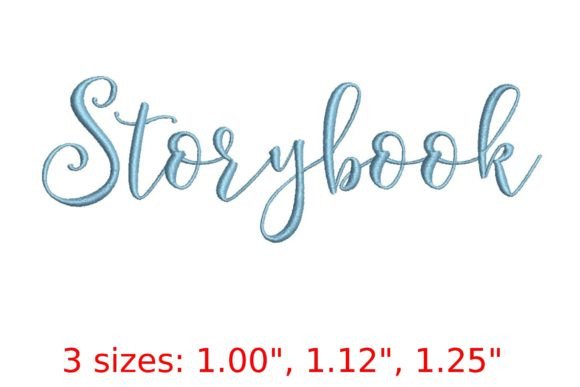
As an embroidery designer who spends half the year planning for the holiday rush and the other half executing those visions, I am always on the lookout for typefaces that do more than just spell out words. They need to evoke a feeling. When I first loaded the Storybook Embroidery Font into my digitizing software, the immediate impression was one of whimsical nostalgia. It does not scream for attention with sharp, modern edges; instead, it invites the viewer in with soft curves and a playful, hand-drawn aesthetic. For those of us creating seasonal embroidery collections, this emotional tone is invaluable. It feels cozy, slightly magical, and perfectly suited for the sentimental nature of gift-giving.
This review comes from the perspective of building a real-world product line. I am not just looking at aesthetics; I am considering how this machine embroidery design will perform on actual garments and home goods during the high-pressure holiday season. Whether you are an Etsy seller preparing for December traffic or a craft fair vendor looking for standout items, understanding the practical application of this font is key to maximizing your sales.
The Seasonal Mood and Emotional Appeal
The primary strength of Storybook Embroidery Font lies in its ability to transport the viewer. The description mentions weaving magic and delightful tales, and visually, it delivers. The letterforms have a storybook quality that pairs exceptionally well with themes of childhood wonder, family traditions, and warm hospitality. In a Back To School context, this font might feel a bit too decorative for standard uniforms, but for holiday-themed school plays, winter break apparel, or teacher appreciation gifts, it shines.
For holiday products, the emotional resonance is critical. Buyers are not just purchasing a sweatshirt or a towel; they are buying a memory. This font supports that narrative. It feels festive without being overly commercial. It avoids the cliché of standard block holiday fonts, offering instead a premium, boutique feel. This distinction helps elevate your small shop product above mass-market alternatives, fostering greater customer trust and perceived value.
Practical Applications for Holiday Product Lines
When integrating this embroidery file into your seasonal catalog, versatility is your best friend. Here is how I envision using this design across various product categories:
- Sweatshirt Embroidery: This is perhaps the strongest use case. The whimsical nature of the font looks stunning on the chest of a crewneck or as a larger back piece. Think phrases like "Winter Magic" or family names for matching sets. The soft lines of the font complement the cozy texture of fleece and cotton blends.
- Kitchen Towel Embroidery: Hostess gifts are a huge market during the holidays. Stitching this font on linen or waffle-weave towels adds a touch of elegance. Phrases like "Joy" or "Gather" work beautifully here. However, pay close attention to the fabric texture; ensure your stabilizer is robust enough to prevent puckering on loose weaves.
- Tote Bag Design: Reusable bags are popular for gift wrapping and shopping. The Storybook Embroidery Font can be used to create personalized shopper bags. Because tote bags often undergo stress, ensure your stitch density is sufficient to hold up against weight, but not so dense that it creates a stiff, cardboard-like feel.
- Pillow Cover and Home Decor: For throw pillows, this font adds a charming accent. It works well for monograms or short seasonal greetings. The decorative style enhances the visual appeal of living spaces during the festive season.
- Embroidered Patch: Creating iron-on or sew-on patches allows customers to customize their own jackets or hats. This font’s distinct style makes for a recognizable and desirable patch design, adding value to your commercial embroidery offerings.
Navigating Technical Challenges and Limitations
While the aesthetic is strong, every designer must respect the technical limitations of embroidery. Storybook Embroidery Font is not a one-size-fits-all solution. There are specific scenarios where caution is required.
First, consider the hoop size and letter height. Whimsical fonts often have intricate details or varying stroke widths. If you attempt to stitch this font at a very small size, such as on a baby onesie or a narrow cuff, the fine details may merge or become lost. Always test stitch a sample at your intended size. If the letters are too small, the charm of the design is lost in a blob of thread.
Second, be mindful of thread colors and fabric contrast. This font relies on its shape for impact. On dark fabrics, using a light or metallic thread can highlight the whimsical curves. However, metallic threads can be tricky; they may break more easily or require slower machine speeds. If you are using metallics, reduce your machine speed and ensure your tension is perfectly balanced. On thick towels, you may need a cut-away stabilizer rather than tear-away to support the stitch count and prevent distortion after washing.
Stretchy garments, like knit caps or leggings, also present a challenge. The decorative nature of the font means it may not have the same flexibility as a simple satin stitch column. Use appropriate stabilizers, such as water-soluble topping, to keep stitches from sinking into plush fabrics like velvet or minky, which are popular for holiday items.
Enhancing Brand Consistency and Marketing
Beyond the stitching, how you present this design matters. For Etsy listings and social media previews, the Storybook Embroidery Font lends itself to beautiful, lifestyle-oriented photography. Create realistic mockups that show the font in use—on a mug of cocoa, next to wrapped gifts, or worn by a child reading a book. These visuals help buyers imagine the finished product in their own lives.
Consistency is key. If your brand focuses on handmade, heartfelt gifts, this font aligns perfectly. It reinforces a narrative of care and craftsmanship. When creating printable mockup graphics for your shop, use complementary fonts for body text that do not compete with the decorative nature of the embroidery. Let the Storybook Embroidery Font be the star.
Essential Designer Notes for Success
Before you launch your holiday collection featuring this design, take these practical steps:
- Test on Multiple Fabrics: Do not assume the design will look the same on cotton as it does on polyester. Test on the actual materials you plan to sell.
- Check Stitch Density: Review the digitizing. If the density is too high for lightweight fabrics, it may cause puckering. If too low, the fabric may show through. Adjust if necessary or choose fabrics that match the existing density.
- Verify Licensing: Ensure you have the correct commercial license for the digital embroidery file. Terms vary, and selling finished products requires explicit permission.
- Plan Color Palettes: Holiday seasons have traditional colors, but don't be afraid to offer modern twists. Pastels for winter babies, deep jewel tones for elegant decor, or classic red and green for traditionalists.
- Inspect Small Details: After test stitching, examine the entry and exit points of the stitches. Trim any jumps cleanly to ensure a professional personalized gift appearance.
In conclusion, Storybook Embroidery Font is a powerful tool for the seasonal designer. It bridges the gap between playful charm and premium quality. By understanding its strengths in emotional appeal and respecting its technical requirements, you can create a handmade gift collection that resonates with buyers and stands out in a crowded marketplace. Whether for holiday embroidery or special occasion wear, this font invites storytelling through thread, making every stitch count.