Times Roman Font MNO: A Designer’s Review
As an embroidery designer who has spent years digitizing logos and testing files for small business clients, I approach every new machine embroidery design with a critical eye. It is not just about whether the letters look pretty on a screen; it is about how they hold up on a curved cap brim, how they withstand industrial washing in a café apron, and how they contribute to a brand’s perceived value. Recently, I evaluated Times Roman Font MNO, a digital asset marketed for personalization across various fabrics. Here is my professional assessment of its viability for commercial use, branded patches, and small business merchandise.
First Impressions: Classic Elegance Meets Modern Utility
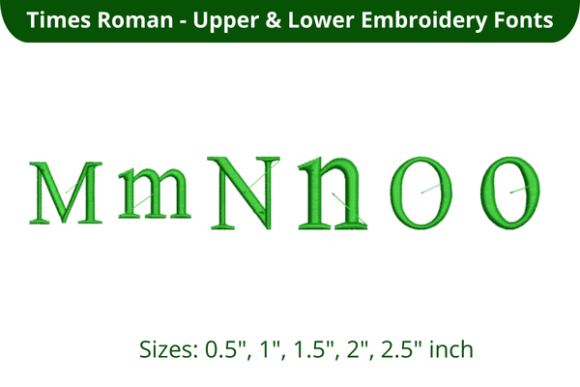
The immediate visual impact of Times Roman Font MNO is one of established trust. The serif style evokes a sense of tradition, academia, and high-end publishing. For businesses operating in the Back To School sector, such as private tutors, bookstores, or uniform suppliers, this aesthetic is invaluable. However, its appeal extends far beyond education. The font feels premium and authoritative without being stiff. It strikes a balance between the rigid formality of traditional corporate branding and the approachable warmth required by boutique handmade brands.
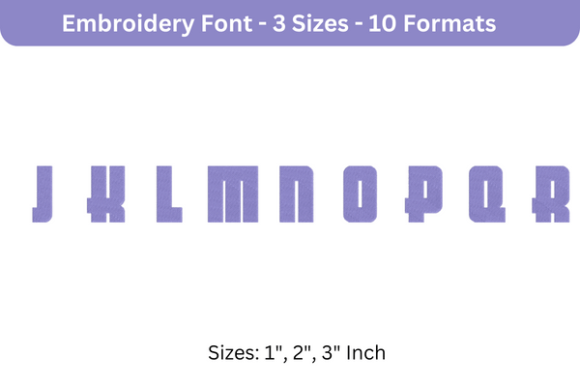
When I loaded the embroidery file into my software, the stitch structure appeared clean. The transitions between characters were smooth, suggesting that the digitizer paid attention to pull compensation. This is crucial because serif fonts can often suffer from distorted letterforms if the tension is not managed correctly. The design promises to help you personalize your designs with names, dates, or quotes, which is a versatile proposition for any creator looking to add a custom touch to their inventory.
Real-World Applications for Small Business Merch
The true test of any digital embroidery file is its performance in real-world scenarios. I simulated several use cases for Times Roman Font MNO to determine where it shines brightest for small business merch.
- Branded Patches: This is perhaps the strongest application. The crisp lines of the serif font translate well into an embroidered patch. Whether used for a bakery’s logo on a tote bag or a florist’s label on a bouquet wrap, the font provides a finished, high-quality look that elevates the perceived value of the item.
- Staff Uniforms and Aprons: For coffee shops and creative studios, staff apparel is a walking billboard. Times Roman Font MNO works exceptionally well for apron embroidery. When stitched on the chest pocket or the lower hem, the classic typography reinforces a sense of craftsmanship and professionalism. It suggests that the business cares about details, which builds customer trust.
- Cap Embroidery: Curved surfaces are notoriously difficult for text-based designs. However, because this font maintains consistent spacing, it performs admirably on the front panel of a baseball cap. It is ideal for local businesses wanting to add a subtle brand identifier without overwhelming the viewer with a large, bulky logo.
- Tote Bag Design: Canvas totes are a staple for Etsy sellers and market vendors. Using this font for a short quote or a brand name creates a sophisticated tote bag design that appeals to customers looking for understated elegance rather than loud graphics.
Navigating Technical Challenges and Fabric Textures
While Times Roman Font MNO is versatile, it is not without its technical demands. As a designer, I must advise caution when applying this font to certain materials and sizes. Serif fonts rely on fine details—the small feet at the ends of strokes. These details can get lost if the stitch density is too low or if the fabric texture is too rough.
For instance, when working with textured fabrics like terry cloth towels or heavy wool blends, the fine serifs may blend into the background pile. In these cases, I recommend increasing the stitch count slightly or choosing a smoother fabric base. Additionally, when using this design for tiny lettering on small patches, ensure that the minimum height of the letters remains legible. If the text becomes too small, the serifs may merge, causing the letters to look like blobs rather than distinct characters.
Another consideration is thread colors. High contrast is your friend here. Using a light thread on dark uniforms or vice versa ensures that the intricate details of the Times Roman style remain visible. Avoid low-contrast combinations, such as grey on black, as they will obscure the font’s elegant features.
Enhancing Brand Identity and Customer Perception
In the world of commercial embroidery, typography is a primary driver of brand identity. Times Roman Font MNO contributes to a narrative of reliability and heritage. For a handmade product seller, using this font on packaging inserts or branded tags signals that the item is crafted with care and attention to detail. It moves the product from "crafty" to "curated."
Consistency is key. If your brand uses serif fonts in its digital marketing and printable materials, using Times Roman Font MNO for your physical merchandise creates visual consistency. This cohesion strengthens brand recognition. Customers are more likely to trust a business that presents a unified image across all touchpoints, from their website to the finished product they receive in the mail.
Practical Designer Notes for Production
Before you commit to a large production run using Times Roman Font MNO, follow these practical steps to ensure quality control:
- Test on Real Fabric: Never rely solely on a printable mockup. Stitch out the design on the actual material you plan to use. Check for puckering and registration issues.
- Use Proper Stabilizer: Given the detailed nature of serif fonts, a cut-away stabilizer is often safer than tear-away for garments that will be washed frequently. This prevents the stitches from pulling away from the fabric over time.
- Check Hoop Size Compatibility: Ensure the design fits within your machine’s hoop size limitations, especially if you are stitching multiple instances for batch production.
- Verify Licensing: Always confirm the commercial licensing terms included with the design assets. While the description indicates it is for personalization, ensure you have the right to sell items made with the file if you are running a business.
- Create Client Proofs: If you are doing work for a client, create a digital proof and, if possible, a physical sample. This manages expectations and allows for adjustments before final production.
In conclusion, Times Roman Font MNO is a robust addition to any embroidery designer’s library. It offers the flexibility needed for diverse applications, from custom apparel to branded accessories. By understanding its strengths in conveying professionalism and respecting its technical requirements regarding fabric and scale, you can leverage this font to create high-value merchandise that resonates with customers. Whether you are decorating caps for a local team or creating luxury labels for a boutique, this design provides the classic touch necessary to stand out in a crowded market.