Bonobo Regular Embroidery Font Review
As an embroidery designer who spends countless hours digitizing and testing fonts for commercial use, I am always on the lookout for typefaces that balance personality with practicality. When I first encountered Bonobo Regular Embroidery Font on Creative Fabrica, I was immediately drawn to its clean yet distinctive character. In a market saturated with overly decorative scripts and rigid block letters, this font offers a refreshing middle ground. It is not just about aesthetics; it is about how a design translates from a digital screen to a tangible, stitched reality. After evaluating this asset for potential inclusion in my upcoming product line, I wanted to share my honest perspective on how this font performs in real-world applications.
First Impressions and Visual Mood
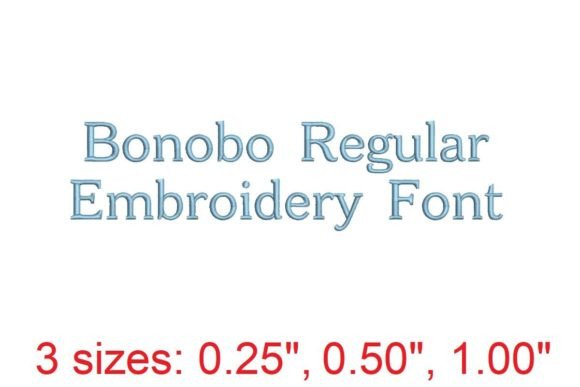
The initial appeal of Bonobo Regular Embroidery Font lies in its versatility. It possesses a modern, approachable vibe that feels both professional and friendly. Unlike some novelty fonts that scream for attention, Bonobo Regular whispers sophistication. The letterforms are well-proportioned, with consistent stroke widths that suggest a smooth stitching process. For embroidery enthusiasts, this visual consistency is crucial because it often correlates with fewer thread breaks and cleaner finishes.
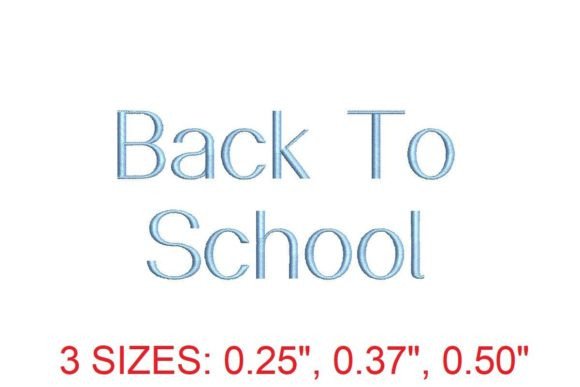
When considering the Back To School season, this font stands out as a strong contender. It avoids the childish clichés often found in seasonal designs while still maintaining a playful energy suitable for young students and teachers alike. Whether you are creating personalized labels for lunchboxes or monogramming backpacks, the mood of this font aligns perfectly with the need for durable, stylish, and legible text.
Performance in Real Embroidery Projects
The true test of any machine embroidery design is how it holds up on various substrates. I evaluated Bonobo Regular Embroidery Font with several common projects in mind, ranging from custom apparel to home decor. Here is how I anticipate it performing across different mediums:
- Custom Apparel and Sweatshirts: The font’s structure suggests it will lay flat on thicker fabrics like fleece or cotton blends used in sweatshirt embroidery. The lack of excessive flourishes means less risk of snagging, which is vital for garments that will be worn and washed frequently.
- Tote Bag Design: For canvas tote bags, readability is key. Bonobo Regular offers excellent legibility even at moderate sizes. It works beautifully for personalized names or short phrases, adding a boutique touch to simple canvas goods.
- Caps and Curved Surfaces: Embroidering on curved surfaces like baseball caps requires fonts that do not distort easily. While I recommend testing smaller sizes, the balanced proportions of this font should minimize pulling or distortion when properly hooped and stabilized.
- Kitchen Towels and Aprons: These items often undergo rigorous washing. A font with clean lines and appropriate stitch density, like Bonobo Regular, tends to hold its shape better over time compared to overly dense or intricate designs.
Practical Considerations for Stitching
While the aesthetic is promising, technical execution is where many designers face challenges. When working with Bonobo Regular Embroidery Font, there are several practical factors to consider to ensure a high-quality finished product.
Stitch Density and Fabric Choice
One of the primary concerns with any new embroidery file is stitch density. Although specific technical data should be verified on the product page, visually, the font appears to have a moderate density. This is generally ideal for most woven fabrics. However, when stitching on stretchy materials like jersey knits or delicate silks, using the correct stabilizer is non-negotiable. A cut-away stabilizer might be necessary for garments that require durability, while a tear-away could suffice for stable cottons.
Small Hoop Sizes and Tiny Lettering
For those looking to create small personalized gifts like baby onesies or cuff details, caution is advised. Intricate details can get lost if the design is scaled down too far. I recommend stitching a test sample on scrap fabric before committing to a final piece. Check the legibility of smaller letters like 'e', 'a', and 'o' to ensure the holes do not merge, which can happen if the thread colors blend too much with the fabric or if the resolution is too low for the hoop size.
Dark Fabrics and Thread Contrast
Visual appeal relies heavily on contrast. When using Bonobo Regular Embroidery Font on dark fabrics, choose thread colors that pop. Satin stitches, if present in the font’s construction, will reflect light differently than fill stitches. Understanding whether the font utilizes satin stitch, fill stitch, or running stitch elements will help you predict how the light interacts with the final piece. Always compare light and dark fabric mockups to gauge visibility.
Enhancing Product Value and Brand Consistency
For Etsy sellers and small business owners, the choice of font contributes significantly to brand identity. Bonobo Regular Embroidery Font offers a cohesive look that can elevate the perceived value of your handmade product. Consistency in typography across your product line—whether it’s nursery decor, patches, or apparel—builds buyer trust. Customers are more likely to perceive a item as high-quality if the typography is clean, professional, and well-executed.
Moreover, this font lends itself well to printable mockup creation. High-quality digital presentations are essential for online sales. The clean lines of Bonobo Regular render beautifully in digital previews, helping potential customers visualize the final item. This can lead to higher engagement and conversion rates, as buyers can clearly see what they are purchasing.
Licensing and Commercial Use
Before integrating any digital embroidery file into your commercial workflow, it is imperative to review the licensing terms. Creative Fabrica typically offers licenses that allow for the sale of physical finished items, but restrictions may apply to digital redistribution. Always confirm the specific license details on the Creative Fabrica embroidery product page. Ensuring you are compliant protects your business and respects the creator’s rights.
If you plan to use this font for commercial embroidery projects, such as bulk orders for local schools or businesses, verify that the license covers large-scale production. Most standard licenses do, but it is always better to be safe than sorry.
Final Thoughts on Bonobo Regular
In conclusion, Bonobo Regular Embroidery Font is a valuable addition to any designer’s library. Its balance of style and functionality makes it suitable for a wide range of applications, from Back To School essentials to year-round custom apparel. By paying attention to technical details like stabilizer choice, thread contrast, and hoop size, you can maximize the potential of this design. Whether you are creating an embroidered patch, a cozy blanket, or a stylish tote, this font provides the professional finish that today’s customers expect. As with any new tool, start with a test stitch, refine your technique, and let your creativity flow.