Review: Block Regular Embroidery Font for Apparel
As an embroidery designer who spends more time hooping fabric than sleeping, I am always on the hunt for typefaces that bridge the gap between professional polish and approachable charm. When I recently browsed Creative Fabrica embroidery collections for my upcoming autumn line, the Block Regular Embroidery Font caught my eye. It promised versatility, and in the world of custom apparel, versatility is currency. I decided to put this machine embroidery design through its paces, specifically looking at how it would perform on boutique sweatshirts and hoodies.
First Impressions: Visual Personality and Stitching Mood
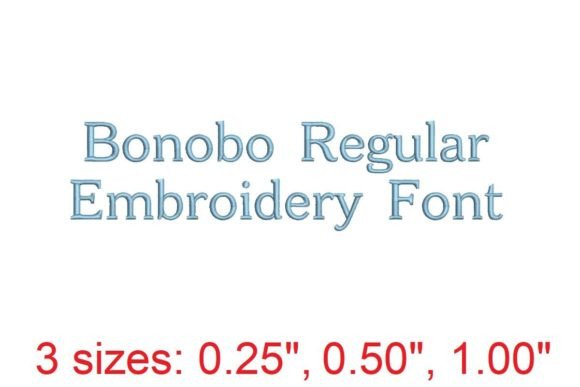
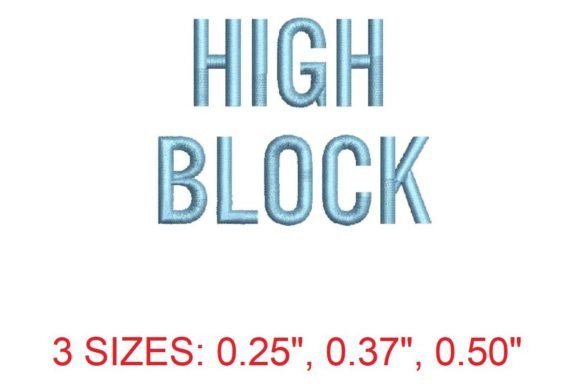
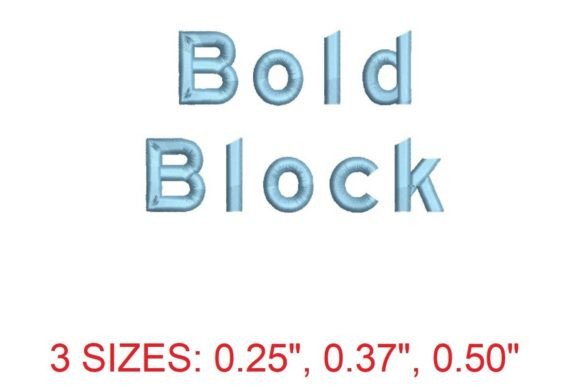
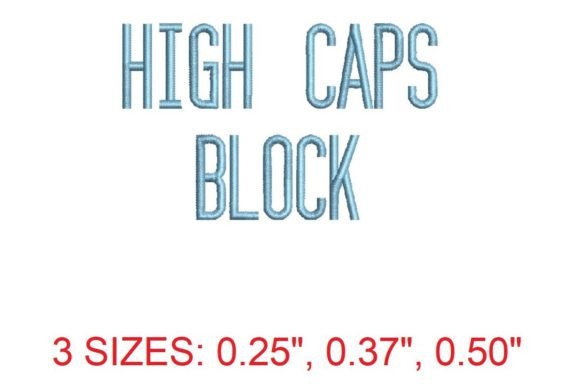
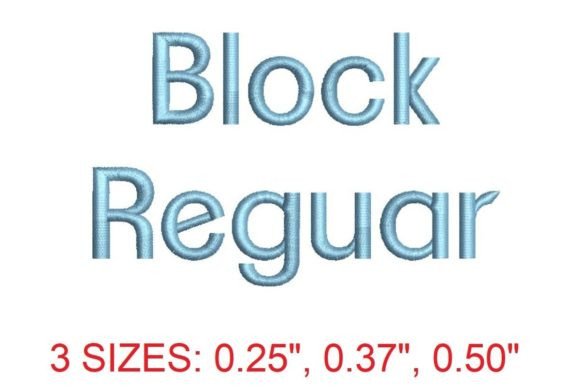
The first thing you notice about Block Regular Embroidery Font is its clean, unpretentious structure. It does not try too hard to be decorative, which is exactly why it works so well for modern boutique brands. The visual personality is minimal yet bold enough to stand out on textured fabrics. It feels classic with a touch of contemporary trendiness, making it suitable for a wide demographic.
From a stitching perspective, the font appears to have a balanced stitch density. It is not so dense that it will turn a soft fleece into a cardboard shield, nor is it so sparse that the backing shows through on dark garments. This balance is crucial for maintaining the hand-feel of premium apparel. The decorative strength lies in its simplicity; it allows the quality of your thread and the texture of your fabric to shine without competing for attention.
Perfect for Back To School and Everyday Wear
With the Back To School season approaching, this font is a strategic asset. It fits perfectly into the current trend of personalized, collegiate-style apparel that students and parents love. Imagine a pastel hoodie with a student’s initials stitched in a contrasting thread color using this font. It looks intentional, high-end, and ready for social media graphics.
Beyond seasonal trends, this embroidery file excels in everyday wear. For oversized garments, which are currently dominating the market, the block style holds its own against the extra fabric volume. On a standard t-shirt, it provides a neat, professional finish that elevates a basic tee into a custom apparel statement piece. Whether you are creating matching family sets or individualized gifts, the readability of Block Regular ensures your message is clear from a distance.
Application on Sweatshirts and Hoodies
My primary test case was a collection of neutral-toned sweatshirts. Here is how Block Regular Embroidery Font performed across different placements:
- Hoodie Chest Placement: This is the most common spot for logos or names. The font scales beautifully here. It remains legible even at smaller sizes, making it ideal for subtle branding.
- Sleeve Accents: I tested smaller iterations on the sleeve cuffs. The clean lines of the block letters prevent the design from looking cluttered on the narrower canvas of a sleeve.
- Back Designs: For larger back prints, the font maintains its structural integrity. It does not distort when scaled up, provided you adjust your hoop size accordingly.
When working with fleece or heavy cotton blends, the font’s moderate density prevents excessive puckering. However, always remember that fabric texture plays a huge role. On a rougher fleece, you might need a slightly heavier weight thread to ensure the stitches pop, whereas on smooth jersey, finer threads work wonderfully.
Versatility Across Product Lines
While my focus was on apparel, this font is not limited to sweatshirts. It translates exceptionally well to other handmade product categories. Consider tote bags, where durability is key. The block style withstands the tension of carrying heavy items better than delicate script fonts. For denim jackets, the contrast of bright embroidery thread against indigo denim creates a striking visual that appeals to younger demographics.
For Etsy sellers and small shop owners, consistency is vital for brand identity. Using a reliable font like Block Regular across your entire product line—from hats to towels—creates a cohesive look that buyers recognize and trust. It enhances your professional presentation and can significantly boost customer engagement in your Etsy listings.
Technical Considerations for Professional Results
Before you start mass-producing, there are critical technical factors to consider. As an experienced designer, I cannot stress enough the importance of testing on scrap fabric first. Every machine behaves differently, and every fabric reacts uniquely to tension.
- Stabilizer Choice: For stretchy fabrics like jersey or ribbed cuffs, use a cut-away stabilizer to prevent distortion over time. For woven fabrics like tote bags, a tear-away may suffice, but hooping firmly is essential.
- Thread Color Contrast: Test your thread colors against your garment colors. On dark apparel, ensure your thread has enough sheen and brightness to stand out. On light garments, consider tonal stitching for a sophisticated, understated look.
- Fabric Texture and Stretch: Be cautious with curved surfaces and areas that wrinkle easily. The block nature of the font is forgiving, but extreme stretching can still distort letter spacing. Avoid placing large text directly over seams or pockets where the fabric tension varies.
- Tiny Lettering: While legible, avoid scaling the font down too far for intricate details. Small apertures in letters like 'e' or 'a' can fill in if the stitch density is too high for the scale.
Enhancing Brand Value and Buyer Trust
Using a high-quality digital embroidery file like Block Regular directly impacts the perceived value of your finished product. Clean, crisp stitching signals quality craftsmanship. When customers receive a item where the embroidery is centered, tight, and free of jumps or loose threads, their trust in your boutique brand grows. This leads to repeat business and positive reviews.
Moreover, consistent use of this font in your printable mockup images and social media marketing creates a strong visual identity. Customers begin to associate that specific typographic style with your shop, aiding in product recognition in a crowded marketplace.
Important Notes on Compatibility and Licensing
According to the product description, this font is seamlessly compatible with the popular PES file format, integrating effortlessly with Brother and Babylock machines. This is excellent news for many home-based embroiderers. However, technology evolves, and machine requirements vary. If you are using a different brand or older model, I strongly advise you to confirm compatibility details before purchase.
Furthermore, always review the licensing terms provided on Creative Fabrica. If you plan to sell commercial embroidery products, ensure you understand the rights granted for finished goods. Most fonts allow for physical sales, but digital resale of the file itself is typically prohibited. Protecting your business means respecting intellectual property rights.
Final Verdict for Small Business Owners
In conclusion, Block Regular Embroidery Font is a solid addition to any embroidery designer’s library. It offers the reliability needed for commercial production and the aesthetic flexibility required for trendy small shop product lines. Whether you are launching a Back To School campaign or building a year-round basics collection, this font delivers clean, professional results. By paying attention to stabilizer choice, thread contrast, and placement, you can leverage this design to create standout pieces that resonate with your audience. Happy hooping!