Bookworm Applique Embroidery: A Designer’s Review
As an embroidery designer who has spent years digitizing and testing files for commercial use, I approach every new machine embroidery design with a critical eye. It is not just about whether a design looks cute on a screen; it is about how it performs under the needle, how it translates to fabric, and ultimately, how it serves the business goals of the person buying it. Recently, I reviewed the Bookworm Applique Embroidery, a file categorized under Back To School themes. While the seasonal tag suggests a narrow window of use, my analysis reveals that this design holds significant potential for year-round small business merchandise, branded patches, and custom apparel projects.
First Impressions: Visual Personality and Appeal
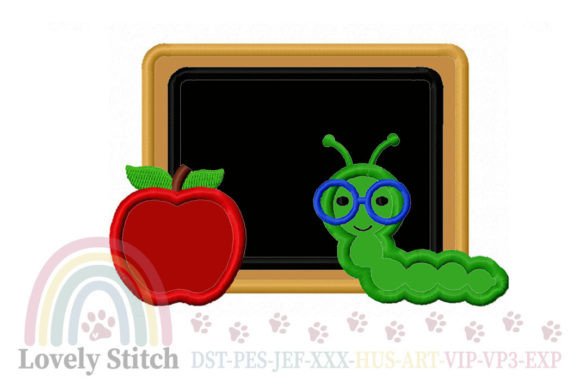
The first thing that strikes you about the Bookworm Applique Embroidery is its charming, approachable aesthetic. The description highlights a back-to-school apple motif, which is a classic symbol of education and growth. However, from a branding perspective, this imagery transcends the classroom. The design feels friendly, playful, and slightly rustic, making it an excellent candidate for businesses that want to project warmth and creativity. It does not scream "corporate sterile"; instead, it invites connection. For handmade brands, boutique owners, and creative studios, this visual personality is invaluable. It suggests a love for learning, craftsmanship, and detail—values that resonate deeply with customers who appreciate high-quality, handmade product offerings.
The applique style itself is a smart choice for commercial production. Applique designs generally use less thread than full satin-stitch fills, which can reduce production time and material costs. This makes the Bookworm Applique Embroidery a cost-effective option for small batch runs or large-scale commercial embroidery orders where margin management is crucial.
Real-World Business Applications
When evaluating a digital embroidery file for business use, I always ask: "Where can this live?" The versatility of this design allows it to function in several key areas of small business merchandising.
- Branded Patches: This is perhaps the strongest use case. The distinct shape of the apple and bookworm lends itself perfectly to an embroidered patch. Patches are trending heavily in retail, allowing customers to customize jackets, bags, and hats. Selling these as standalone items or as add-ons can significantly increase average order value.
- Staff Uniforms and Aprons: For cafes, bakeries, florists, and bookstores, staff apparel is a walking billboard. An apron embroidery featuring this design adds a touch of whimsy and professionalism. It softens the look of a uniform, making staff appear more approachable and aligned with a creative brand identity.
- Tote Bags and Merchandise: Canvas tote bags are a staple for eco-conscious brands. Placing the Bookworm Applique Embroidery as a central tote bag design creates a functional piece of art. It works equally well for library events, school fundraisers, or as part of a bookstore’s gift shop inventory.
- Cap Embroidery: While caps require careful placement, the compact nature of an applique design can work well on the front panel or side of a dad hat. This expands your product line into headwear, a high-demand category for custom apparel.
Technical Considerations for Production
Beauty means nothing if the stitch-out fails. As a designer, I must highlight where caution is needed when using this file. Applique designs rely heavily on the precision of the placement stitch and the tack-down stitch. If the fabric shifts, the raw edges of the applique fabric may peek out, ruining the finished product.
Fabric Texture and Stabilizer: The success of this design depends on your choice of stabilizer and fabric. For textured fabrics like terry cloth towels or heavy canvas, ensure you use a cut-away stabilizer to prevent distortion. On lighter fabrics, a tear-away might suffice, but test thoroughly. The fabric texture can also impact the visibility of the outline stitches. If the applique fabric is too similar in color to the base garment, the defining stitches may get lost. Always aim for high contrast between the applique fabric, the outline thread, and the background material.
Size and Scaling: One common mistake is shrinking complex designs too much. While applique is simpler than full fill, the intricate details of the worm and the book pages need space to breathe. If you plan to use this as a small chest logo or a tiny label, verify the minimum viable size. Check the hoop size requirements specified in the file details. If the design is too dense for a small hoop, you may need to resize or simplify elements, which could alter the intended look.
Thread Colors: The vibrancy of the thread colors you choose will define the brand perception. Traditional red and green apples are nostalgic, but consider modern palettes for a contemporary twist. Muted earth tones can make the design feel more premium and rustic, suitable for high-end boutiques. Always stitch out a test sample in your intended colorway before committing to a full production run.
Impact on Brand Identity and Customer Trust
Consistency is key to building brand identity. Using a cohesive design element like the Bookworm Applique Embroidery across various touchpoints—from employee uniforms to packaging accents—creates a recognizable visual language. When customers see the same high-quality embroidery on a tote bag, a patch, and a social media printable mockup, it reinforces trust. It signals that the business pays attention to detail and values quality.
For Etsy sellers and crafters, offering products with professional-grade embroidery elevates the perceived value of the item. It moves the product from "homemade" to "handcrafted professional." This distinction can justify higher price points and foster greater customer loyalty. Furthermore, using licensed design assets correctly protects your business from legal issues, ensuring that your creative efforts are built on a solid foundation.
Practical Designer Notes for Implementation
Before you load this file into your machine for a client order or personal stock, follow these steps to ensure success:
- Test in Black and White: Stitch the design out in monochrome first. This helps you evaluate the balance of the design without the distraction of color. If it looks good in black and white, it will look great in color.
- Check Commercial Licensing: Always confirm the license terms associated with the embroidery file. Ensure you have the right to use it for physical goods sold in your shop. Never assume; always read the fine print.
- Create Mockups: Use digital tools to create a printable mockup or digital preview for client approval. This saves time and fabric by ensuring the client loves the placement and size before you stitch a single thread.
- Inspect Stitch Density: Although applique is generally lighter, check the density of the satin borders. If the density is too high for your specific fabric, it may cause puckering. Adjust tension settings accordingly.
- Compare with Other Assets: Place this design alongside your other branding elements. Does it complement your existing logo? Does it clash? Visual consistency across all small business merch is vital for professional recognition.
In conclusion, the Bookworm Applique Embroidery is more than just a seasonal novelty. It is a versatile, professionally viable asset for any business looking to add charm and quality to their product line. By understanding its technical requirements and leveraging its visual appeal, you can create standout items that resonate with customers and enhance your brand’s reputation. Whether you are decorating caps, creating patches, or embellishing aprons, this design offers a delightful blend of nostalgia and modern craftsmanship.