Smiling Colored Pencil: A Designer’s Review
As an embroidery designer who has spent years digitizing logos and testing files for small business merchandise, I approach every new machine embroidery design with a critical eye. It is not enough for a motif to be cute; it must be functional, scalable, and capable of holding up under the scrutiny of commercial production. When I first loaded the Smiling Colored Pencil file into my software, my immediate impression was one of approachable charm. This is not a stiff, corporate emblem. It is a playful, friendly asset that speaks directly to creativity and joy.
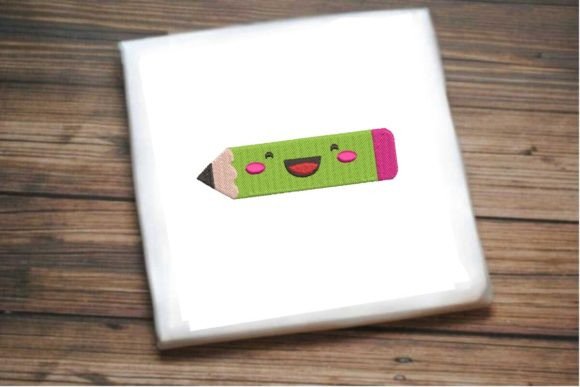
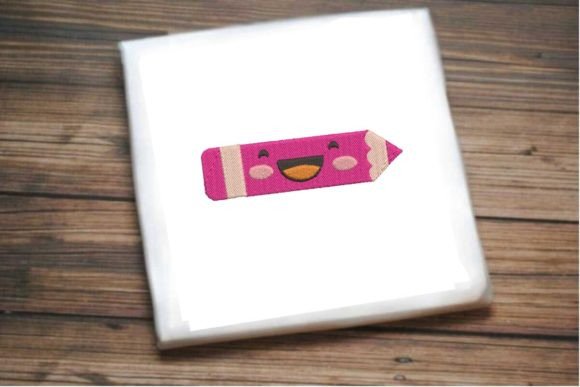
For owners of boutique shops, creative studios, bakeries, or educational brands, finding the right visual tone is difficult. You want to appear professional without seeming cold. The Smiling Colored Pencil strikes this balance effectively. It features a delightful colored pencil with a bright smile, adding a touch of creativity to any project. In the context of Back To School promotions or year-round creative branding, this design serves as a versatile tool for enhancing brand identity.
Visual Personality and First Impressions
The aesthetic of this design is undeniably cheerful. The smiling face on the pencil transforms a standard office supply into a character. This personification is powerful in marketing because it creates an emotional connection. When I review a digital embroidery file, I look for clarity in the lines and balance in the composition. Here, the smile is the focal point, ensuring that even at a distance, the intent of the design is clear.
This design feels handmade and authentic, which is crucial for artisans and Etsy sellers. It does not look like a generic clipart conversion. Instead, it appears tailored for Embroidery, with considerations for how thread lays on fabric. For businesses selling handmade product lines, such as custom journals, art supplies, or children’s clothing, this motif reinforces the narrative of creativity and care.
Real-World Applications for Small Business Merch
The true test of any design is its versatility across different substrates. I evaluated how the Smiling Colored Pencil would perform in various real-world scenarios for small business merch.
- Embroidered Patches: This is perhaps the strongest use case. A patch allows for dense stitching and clean edges. The pencil shape is contained, making it ideal for iron-on or sew-on patches that customers can attach to backpacks or jackets. It serves as a perfect branded add-on for stationery shops.
- Apron Embroidery: For art teachers, bakery owners, or florists, an apron is a walking billboard. Placing this design on the chest pocket area adds personality to staff uniforms. It signals to customers that the business is friendly and creative.
- Tote Bag Design: Canvas tote bags are staples for bookstores and markets. The bold colors of a colored pencil translate well to the textured surface of canvas. It acts as a subtle yet recognizable logo accent.
- Cap Embroidery: While possible, this requires careful sizing. The curved surface of a cap front can distort wide designs. However, if scaled down appropriately, the smiling pencil works well as a side-sleeve detail or a small front-center logo for creative teams.
- Custom Apparel: On children’s t-shirts or teacher appreciation gifts, this design shines. It fits the Back To School theme perfectly but remains relevant for any creative workshop or studio.
Technical Considerations and Production Notes
While the design is charming, technical execution is where many small businesses fail. As a designer, I must advise caution regarding scale and density. Here are my practical notes for producing the Smiling Colored Pencil successfully.
Stitch Density and Fabric Texture
The description notes it is a charming design, but we must consider stitch density. If the density is too high for the size, the fabric may pucker, especially on lightweight materials like poly-cotton blends used in uniforms. Conversely, if the density is too low on a textured fabric like toweling or heavy canvas, the underlying material may show through, breaking the visual continuity of the pencil’s body.
I recommend testing the embroidery file on the exact fabric you intend to use. For dark uniforms, ensure that the thread colors have sufficient contrast. A bright yellow pencil on a navy blue shirt will pop, but pastel shades may get lost. Always run a test stitch-out to check for color blending issues.
Hoop Size and Stabilizer Selection
Before production, confirm the recommended hoop size. If the design is large, you will need a stable hoop to prevent shifting. For smaller applications, such as a pocket logo, a smaller hoop is sufficient but requires precise positioning. The choice of stabilizer is equally critical. For stretchy fabrics like jersey tees, a cut-away stabilizer is non-negotiable to maintain the shape of the smile and the pencil tip over time. For woven fabrics like twill caps, a tear-away may suffice, but a heat-seal stabilizer often provides a cleaner finish for professional results.
Scaling Limits
One common mistake is shrinking a design too much. The facial features of the smiling pencil—the eyes and mouth—need space to breathe. If you reduce the design below a certain threshold, these details may merge into a blob of thread. I advise creating a printable mockup at the intended size to visualize the detail retention. If the smile becomes indistinct, the design loses its charm. Keep it large enough to be legible.
Impact on Brand Identity and Customer Trust
Why does this matter for your bottom line? Consistent, high-quality design assets build trust. When a customer receives a tote bag or a shirt with a cleanly embroidered Smiling Colored Pencil, they perceive higher value. It suggests that the business cares about details. This perception increases the likelihood of repeat purchases and social media shares.
In the realm of commercial embroidery, professionalism is key. A poorly stitched logo can damage a brand’s reputation. By choosing a well-digitized file and following best practices for stabilization and thread selection, you elevate your finished product. This design helps humanize your brand. It says, "We are creative, we are friendly, and we pay attention to quality."
Final Verdict and Licensing Checks
The Smiling Colored Pencil is a strong contender for businesses looking to inject personality into their merchandise. It is particularly effective for educational brands, art supplies, and creative services. However, before you begin mass production, there are administrative steps you must take.
- Check File Formats: Ensure the digital embroidery file comes in the format compatible with your machine (e.g., PES, DST, JEF). The product description does not specify exact formats, so verify this before purchase.
- Review Commercial Licensing: Not all files allow for unlimited commercial use. Some designers require an extended license for mass production. Confirm the license terms to protect your business from legal issues.
- Test on Real Fabric: Never skip the test stitch. Use scrap fabric identical to your final product to check for puckering, thread breaks, or registration errors.
- Compare Design Assets: Place this design alongside your existing logo and branding elements. Does it complement your visual identity? Consistency is vital for brand recognition.
In conclusion, the Smiling Colored Pencil offers a delightful blend of professionalism and playfulness. For the small business owner, it is more than just a cute image; it is a strategic tool for engagement. Whether used on an embroidered patch, a staff apron, or a promotional tote, it communicates creativity clearly. By respecting the technical limitations of embroidery and adhering to best practices in production, you can leverage this design to create memorable, high-quality merchandise that resonates with your customers.