Teacher Rainbow: A Designer’s Review for Small Business Merch
As an embroidery designer who has spent years digitizing and reviewing files for commercial use, I approach every new machine embroidery design with a critical eye. It is not just about whether a motif looks cute on a screen; it is about how it performs in the real world of small business merchandise. Recently, I evaluated the Teacher Rainbow design, a piece marketed heavily for back-to-school themes but possessing potential far beyond the classroom. For boutique owners, Etsy sellers, and apparel decorators, understanding the practical application of this file is crucial before adding it to your product lineup.
First Impressions: Visual Personality and Brand Fit
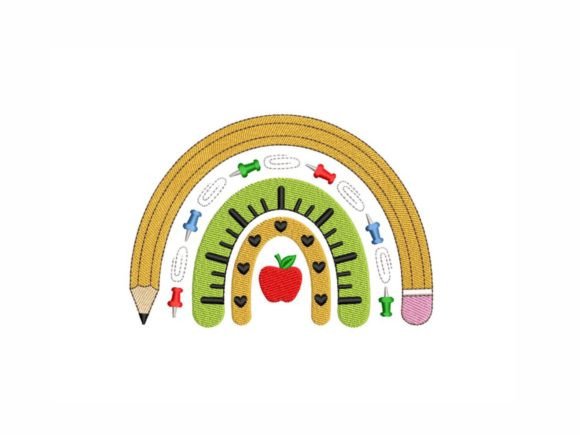
The first thing that strikes you about Teacher Rainbow is its inherent friendliness. In the context of brand identity, this design leans heavily into the "approachable professional" aesthetic. It does not scream corporate rigidity; instead, it offers a warm, handmade feel that resonates with customers looking for authenticity. The rainbow motif, when executed well in embroidery, suggests diversity, creativity, and optimism. For a small business, particularly those in the education, childcare, or creative sectors, this visual language builds immediate trust.
However, from a technical standpoint, the "rainbow" element presents both an opportunity and a challenge. Rainbows require smooth color transitions. In embroidery, this means managing thread changes efficiently without creating bulky jump stitches or excessive trim points. When reviewing the Teacher Rainbow Embroidery Design, I look for clean satin stitches or well-digitized fill patterns that prevent the colors from bleeding into one another visually. If the design relies on too many tiny color blocks, it may look messy on textured fabrics. The goal is a premium, polished look that elevates the perceived value of the finished product.
Real-World Applications for Small Business Merch
Where does Teacher Rainbow truly shine? Based on its description as a versatile design suitable for home decor, clothes, and accessories, here is how I would deploy it in a commercial setting:
- Embroidered Patches: This is perhaps the strongest use case. Creating a run of iron-on or sew-on patches allows customers to customize their own items. A rainbow-themed patch is highly sellable as a standalone item or as an add-on to tote bags and denim jackets.
- Staff Uniforms and Aprons: For boutiques, bakeries, or art studios, adding this design to apron embroidery creates a cohesive team look. It adds a splash of color to neutral uniforms, making staff easily identifiable while maintaining a fun, creative atmosphere.
- Tote Bag Design: Canvas totes are a staple for teachers and shoppers alike. Placing Teacher Rainbow centrally on a tote bag creates a bold statement piece. The durability of embroidery ensures the design survives frequent washing, unlike printed ink which may crack or fade.
- Cap Embroidery: A smaller version of this design could work beautifully on the front panel of a baseball cap. However, this requires careful scaling to ensure the curvature of the cap does not distort the rainbow arcs.
- Etsy Branding and Customer Gifts: Including a small embroidered tag with this design on packaged orders adds a delightful unboxing experience. It reinforces brand recognition and encourages social media sharing.
Technical Considerations and Potential Pitfalls
While the aesthetic appeal is high, any experienced embroiderer knows that execution is everything. There are specific scenarios where Teacher Rainbow requires caution. Before running a large batch for commercial embroidery, you must address several technical variables.
Stitch Density and Fabric Texture: Rainbows often involve multiple layers of color. If the stitch density is too high, the fabric may pucker, especially on lighter materials like cotton shirts or bedsheets. Conversely, if the density is too low on a plush towel or fleece, the backing fabric might show through. Always test the embroidery file on the exact fabric texture you intend to use. For stretchy fabrics, a cut-away stabilizer is non-negotiable to maintain shape integrity.
Small Patch Sizes and Detail: If you plan to shrink this design for a chest logo or a small label, pay close attention to the smallest elements. Tiny lettering or thin outline details can get lost or become tangled if the design is reduced below a certain threshold. I recommend creating a printable mockup at actual size to verify legibility. If the design includes text alongside the rainbow, ensure the font weight is substantial enough to survive the stitching process without merging into the graphic.
Dark Uniforms and Thread Contrast: On dark navy or black uniforms, the vibrancy of the rainbow threads will pop, which is desirable. However, ensure that the underlay stitches are sufficient to prevent the dark fabric from dulling the top threads. Testing thread color contrast is essential; sometimes, a slight adjustment in thread shade can make the rainbow appear more vivid against dark backgrounds.
Enhancing Brand Identity and Customer Trust
In the crowded marketplace of handmade products, consistency is key. Using a distinct design like Teacher Rainbow across various touchpoints strengthens your brand identity. When a customer sees the same high-quality embroidery on a tote bag, a patch, and a thank-you card, it signals professionalism. It tells the buyer that you care about the details.
Furthermore, embroidery adds tactile value. A printed logo is flat; an embroidered logo has depth and texture. This sensory experience increases the perceived value of the item, allowing small businesses to justify higher price points. For educators and creatives, wearing or using items with this design fosters a sense of community and pride. It transforms a simple uniform or accessory into a badge of belonging.
Practical Designer Notes for Production
Before you purchase the digital embroidery file and start production, follow these steps to ensure success:
- Check File Formats and Hoop Size: The product description mentions the design comes with multiple formats, but always verify that your specific machine reads the file type provided. Confirm the maximum hoop size required to ensure it fits your equipment.
- Test in Black and White First: Stitch out a monochrome version to check for spacing issues and density problems without the distraction of color. This helps identify any registration errors.
- Review Commercial Licensing: Ensure the license terms allow for the number of physical items you plan to sell. Some designers limit the number of copies, while others offer unlimited commercial use. Clarify this before investing in marketing materials.
- Create Mockups for Client Approval: If you are doing custom work for a client, use a printable mockup to show them how the design will look on their specific garment. This manages expectations and reduces revision requests.
- Compare With Other Design Assets: Place Teacher Rainbow next to your existing logo or other graphics. Does it complement your current visual style? Consistency across all design assets creates a stronger, more recognizable brand.
In conclusion, Teacher Rainbow is more than just a seasonal back-to-school motif. It is a versatile asset for any small business looking to inject warmth and creativity into their merchandise. Whether used for apron embroidery, custom apparel, or branded patches, its success depends on thoughtful digitization review and proper technical execution. By respecting the constraints of stitch density, fabric choice, and scale, you can transform this digital file into a tangible driver of brand loyalty and sales. Always prioritize quality testing, and let the craftsmanship of your embroidery speak for your brand.